
Choosing The Perfect Necklace Chain
If you’re new to jewellery making, you may find a yourself a little lost amongst the choice of chains available on the market. Whether you’re looking for a chain to attach a Swarovski pendant, or one to add charms to, we have pulled together a guide to help you choose the perfect chain for your piece.
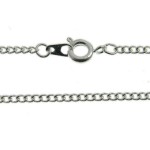
Cable chains, otherwise known as link chains are highly versatile and can be used for almost any jewellery making project. They are made using circular or oval links of equal size.
This is one of the most popular styles and is what most people go for when wanting to create a simple necklace to hang a pendant or charm of small to medium size. One of the most popular pendants for this type of necklace are the Swarovski Pendants, which are available in a number of colours and styles.
This type of chain comes in various sizes, ranging from 1.0mm up to almost any size.
The figaro chain, is another popular style of chain, that we saw a lot of the late 90’s and 00’s, when they were at seen as a trendy style of jewellery. Available in a number of colours including gold, silver and bronze, this design of chain link chain incorporates a pattern using two or three small circular links, with one elongated oval link set between them. These chains are most commonly used within mens jewellery design and tend to go perfectly with cross pendants, or medallions.
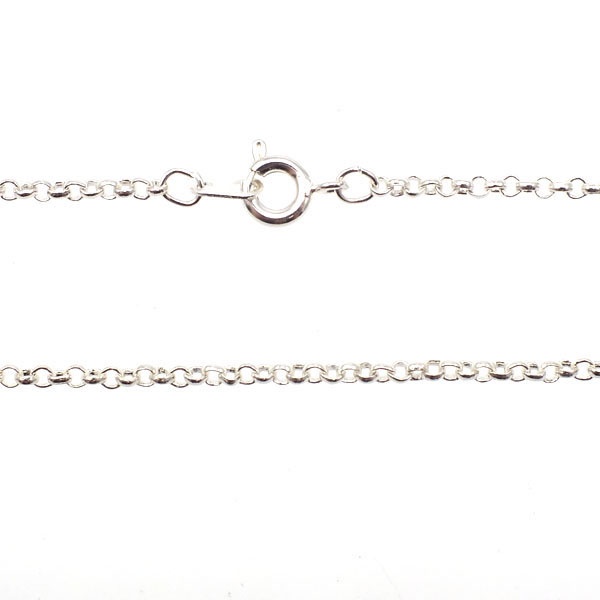
A belcher chain is created using identically sized round links, all joined together in a continuous pattern. This simple design not only makes the chain versatile, but can also be elegantly crafted into a beautiful piece of jewellery.
These chains are especially good for creating a charm bracelet, as you can spread out the charms equally across the links.
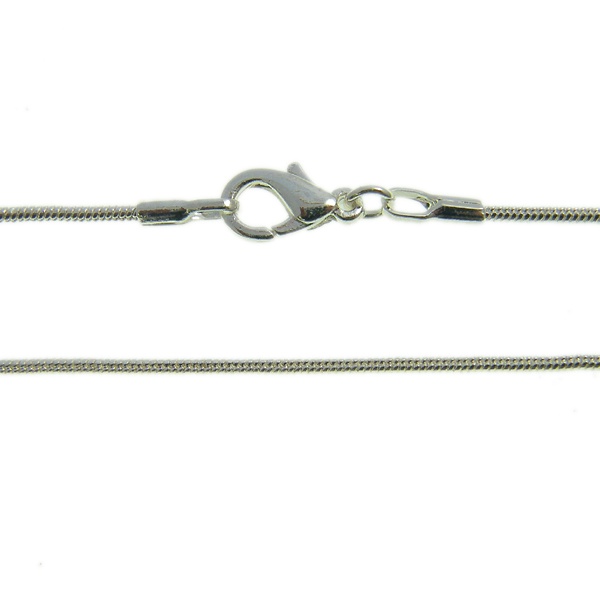
Unlike the other chains mentioned, a snake chain isn’t created using traditional links. A snake chain is very tight-linked, created with a round or square cross-section. The way in which the links are intertwined create a slight zigzag look, forming a flexible chain. Unsurprisingly, Its resemblance to snakeskin is how the name came about.
Comments are closed here.